A network of projects that decided to build what all of them were missing.
NetX Gen came from inside the node network, not from outside it. It started as coordination between projects that already existed, and became the legal, territorial and digital infrastructure none of them could build alone.
First came the gatherings.
Through 2025 we ran three gatherings between regenerative projects in Argentina and Brazil. The idea was simple: put people solving the same problems separately in one room and see what happened. More than a thousand people came through.
What surfaced was something more uncomfortable than a list of best practices: every project, without exception, was stuck on the same thing. They knew how to produce and how to organise internally; what they lacked was a way to sustain themselves legally and economically that could be replicated.
The Patagonian corridor is the answer to that: real estate development that reports on five capitals, with figures that can be audited. It's an attempt to build the vehicle regenerative projects have needed for fifty years, and to prove it across three concrete territories before claiming it works.
Regenerative is the new asset class — measured node by node.
It's a measurable progression rather than a fixed destination. Here's the path, from conventional development to regenerative.
Conventional
Uses resources and depletes them.
Green / Sustainable
Reduces harm, doesn't reverse it.
Restorative
Repairs what's damaged.
Regenerative
Leaves the place better than it found it — and keeps improving.
A Patagonian corridor of regenerative nodes, interconnected by one platform.
By 2040, three nodes with complementary functions — habitat, production, and logistics — operating as a single regenerative corridor, with shared governance and auditable impact data.
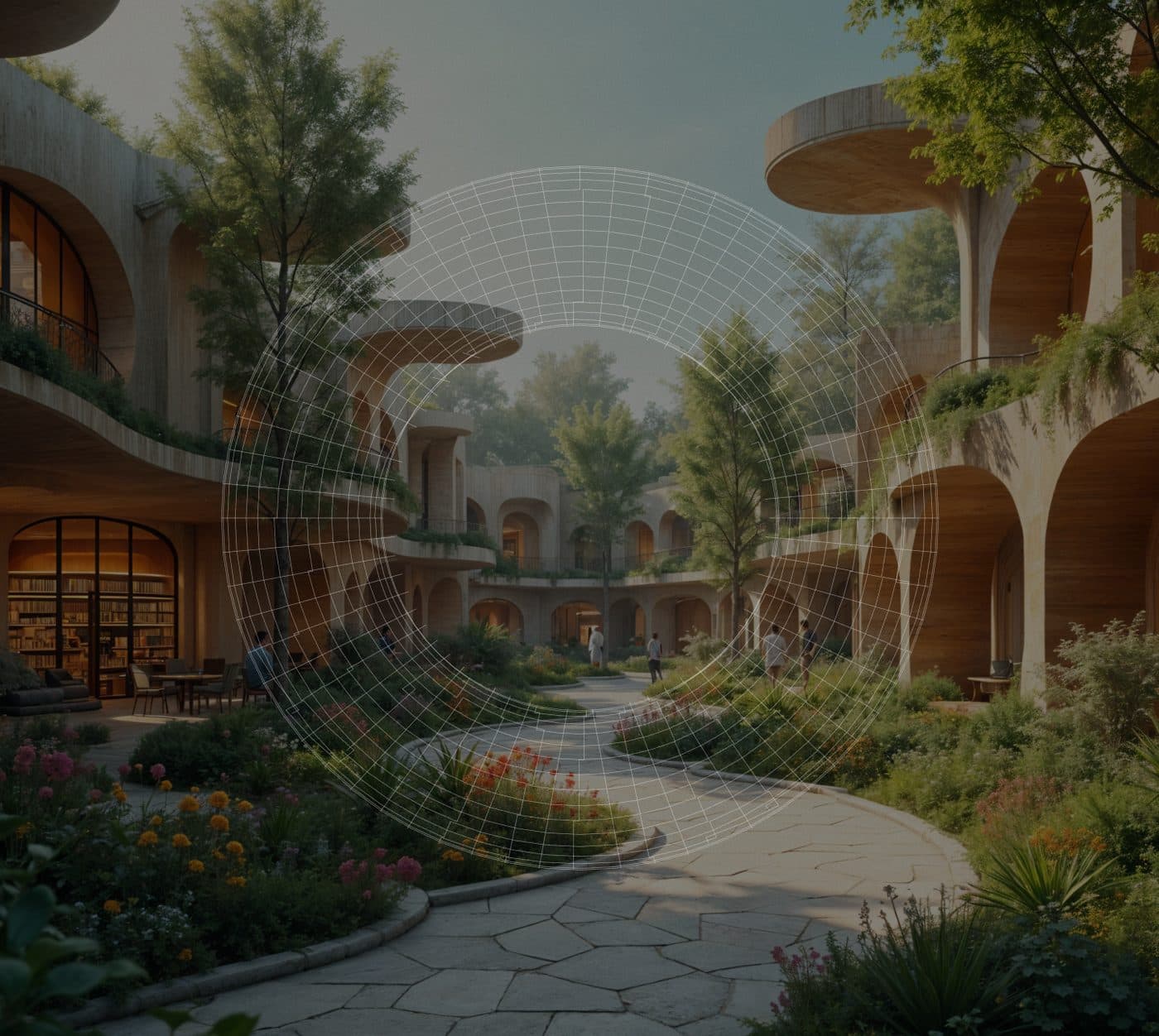
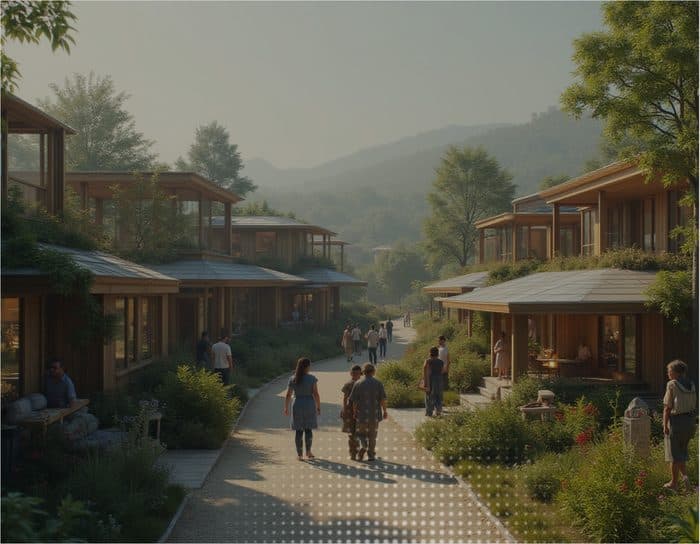
Conscious communities
The network of regenerative nodes, people, and projects already on this path.
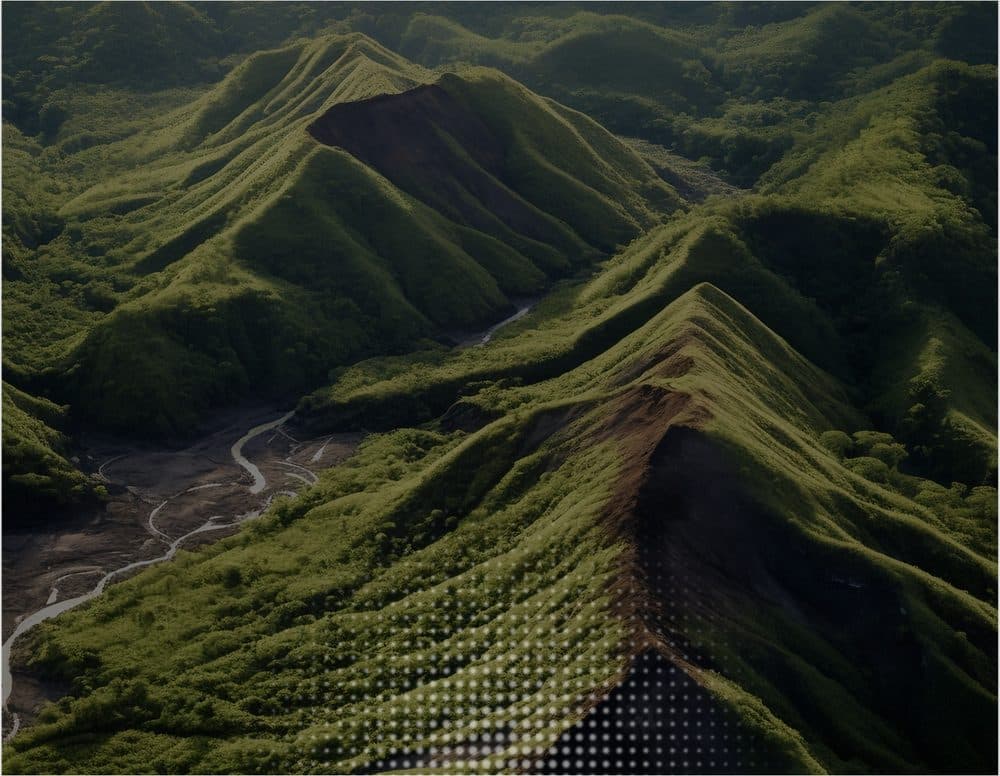
Regenerative territories
Lighthouse (San Martín de los Andes) and Biopueblo (Río Negro Valley), the corridor's first two developments.

Open technology
The Regenerative Governance Platform: impact measurement (dMRV), governance, and marketplace, built on the five capitals.

Innovative legal frameworks
ZEEIR, the legal and economic substrate territory and platform operate on.
What we've done so far.
The network came together
Fifty-nine regenerative projects across Latin America joined the directory, thirty-eight with confirmed locations. It's the base everything else rests on.
Regen Pathway
Three gatherings across two countries, more than a thousand participants. Ipê City in Brazil, Regen Haus in San Martín de los Andes and Regen Hub at Devconnect Buenos Aires.
The first two territories
Biopueblo, in the Río Negro Valley, enters commercialisation with its first neighbourhood. Lighthouse, in San Martín de los Andes, enters master planning.
The corridor
Construction of the first two nodes and, later, the third on the South Atlantic, which closes the corridor with logistics access.
We're doing this alongside others.
The corridor rests on alliances with organisations already working in special jurisdictions, regenerative coordination and land development. These are the ones standing today.