
Ten thousand hectares along twelve kilometres of river.
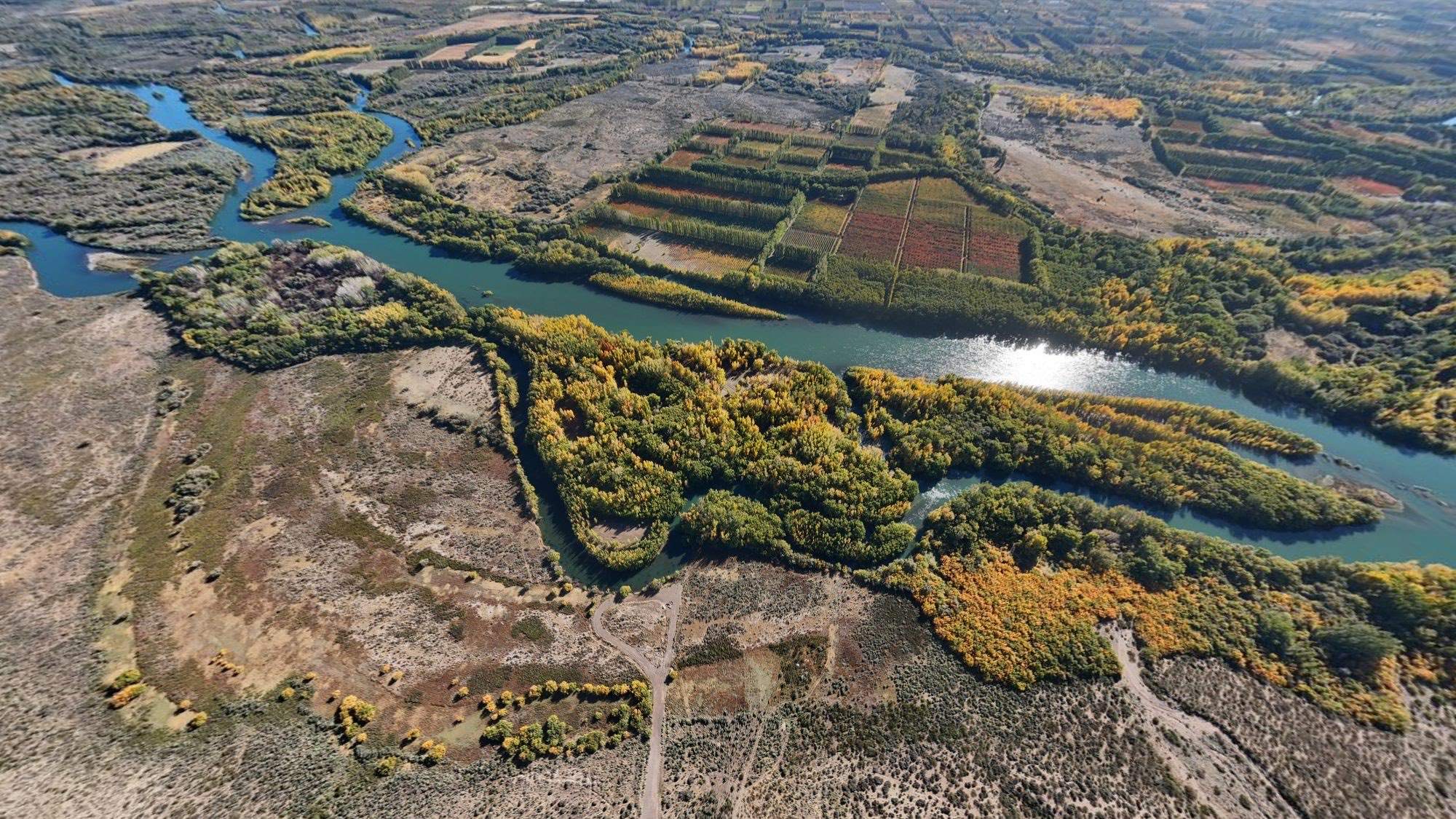
The corridor's productive node sits in the Alto Valle of Río Negro, on the river's south bank, facing the town of Mainqué. Inside it are a neighbourhood already being sold, Chacras de Soluna, and the macro-parcel assigned to NetX Gen to develop one of its own.
Before it's a smallholding, it's a valley that works.
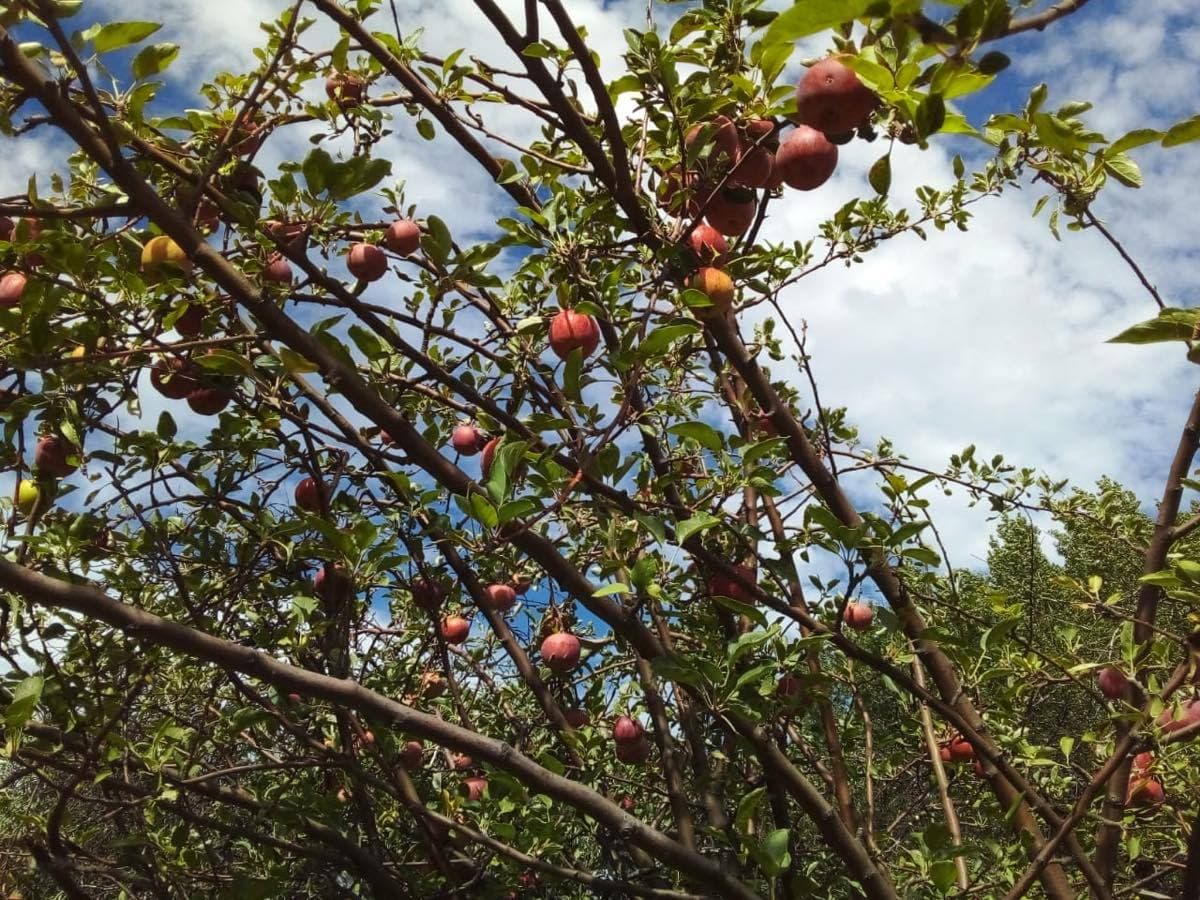
The Alto Valle of Río Negro is a strip of fertile land held together by an irrigation system more than a century old. It's a productive, inhabited region: towns, schools, hospitals and roads, with fruit growing that goes back generations.
The territory sits on that strip, in the General Roca department, with twelve kilometres of frontage on the river's south bank, facing the town of Mainqué. Fifteen minutes from Cipolletti, forty-five from Neuquén airport. Dry climate, wide temperature swings, nearly three hundred days of sun a year — the same climate that gets the valley's pears and apples onto export markets.
It's a valley with a lake, too. Much of what gets developed here is organised around that: fronting the river, fronting the lake, or looking down on both from the bluff are three different things, and they're what explains why two plots of the same size are nothing alike.
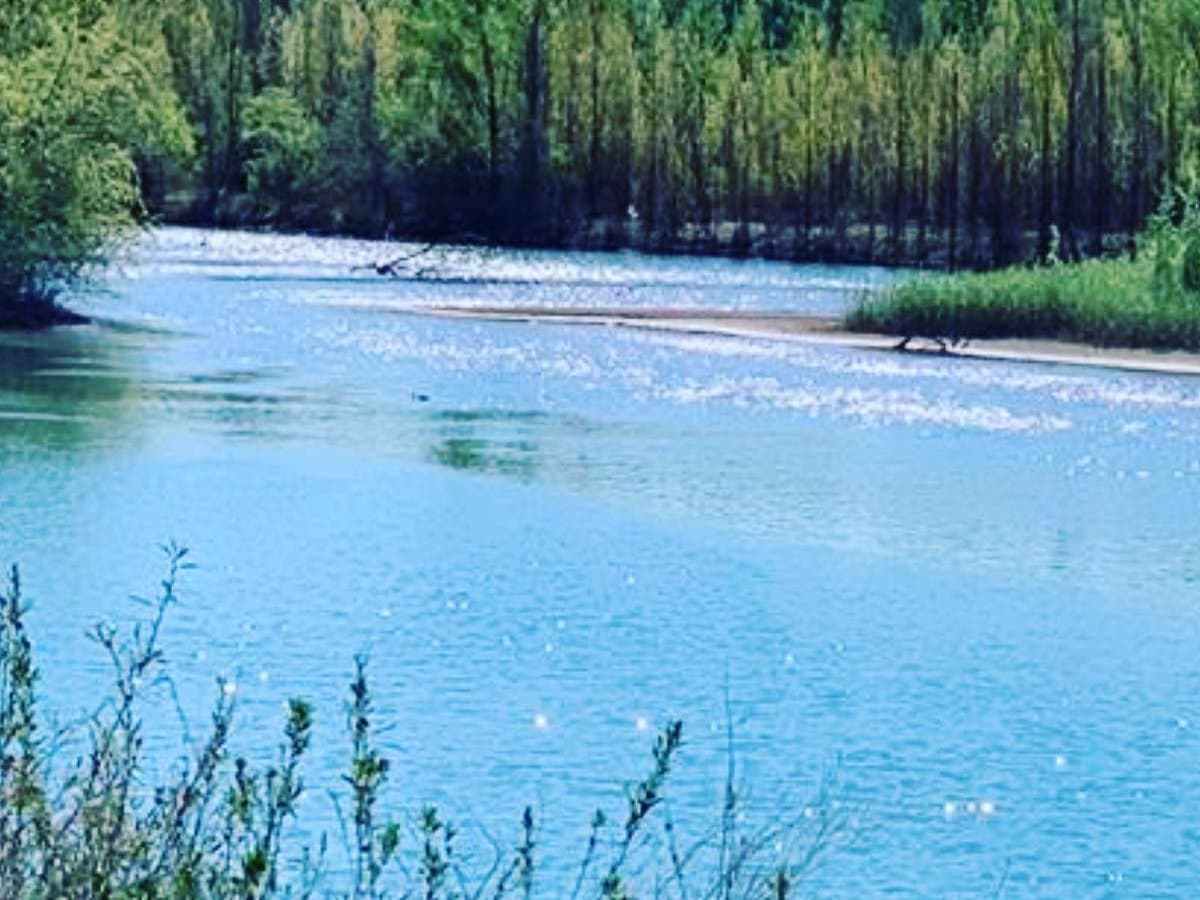
Two different things, on the same territory.
The territory is developed by Biopueblo. NetX Gen is not and will not be the registered owner of that land: it markets one of its neighbourhoods, Chacras de Soluna, under a signed agreement with the developer, and connects it to the node network.
Separately, Biopueblo has assigned NetX Gen a macro-parcel to develop a neighbourhood of its own. That is still being defined, and this page describes it as what it is: a project, not a product for sale.
The distinction matters because it changes who you're dealing with in each case. Better to have it clear from the start than to discover it at the deed.
This is what the place looks like when you walk it.
Photographs of the neighbourhood and the land around it, taken across the year. Everything here is what stands today, without a single render.
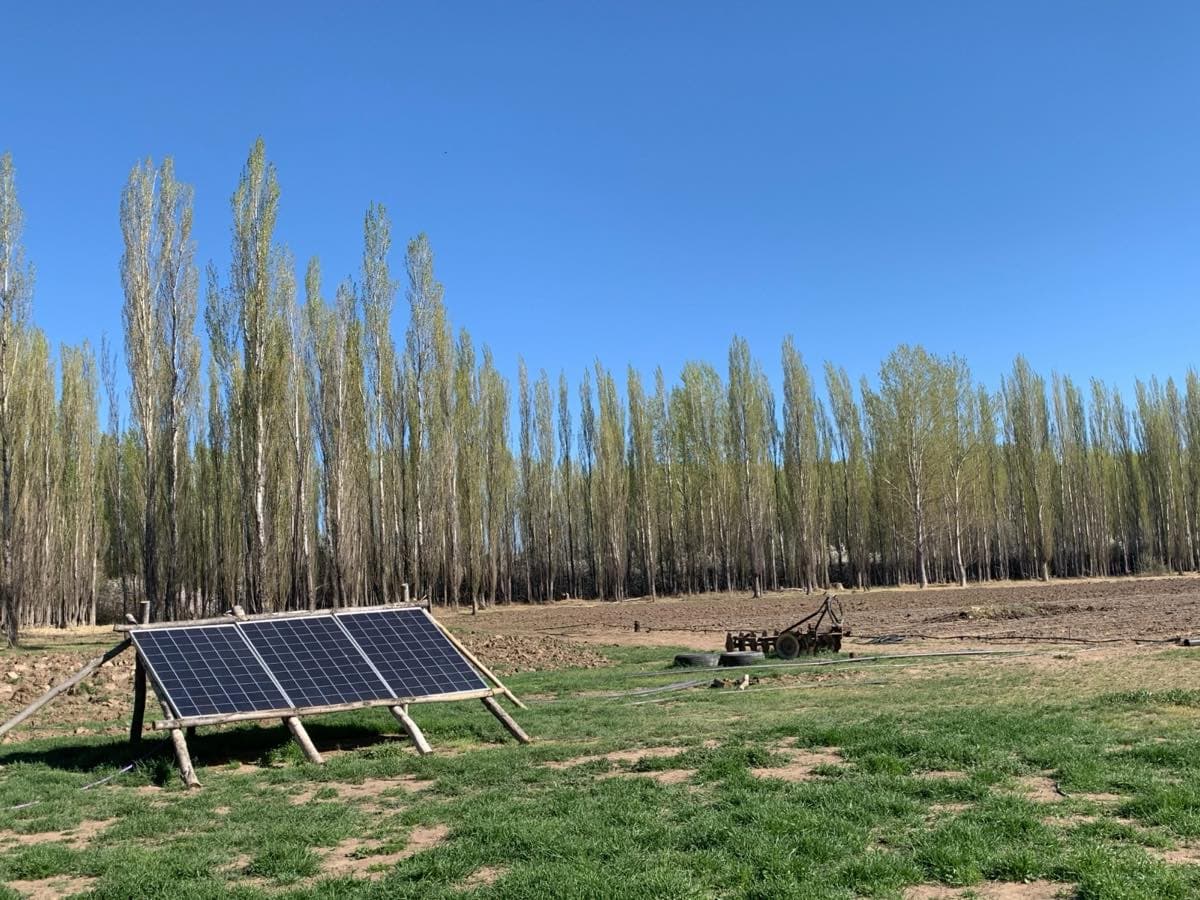
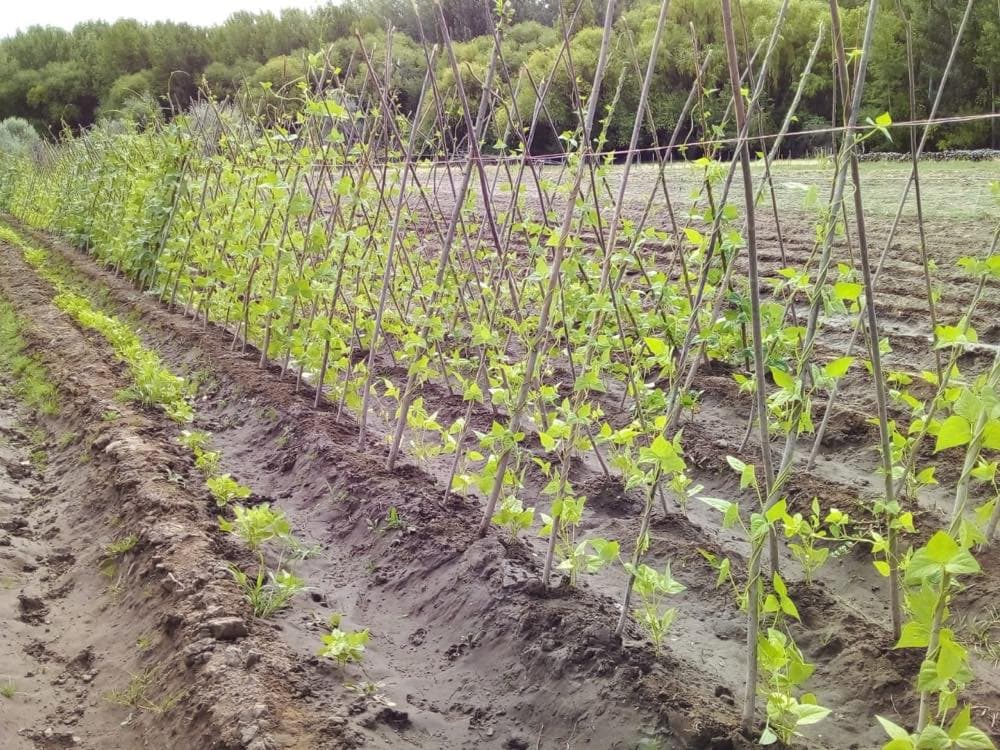
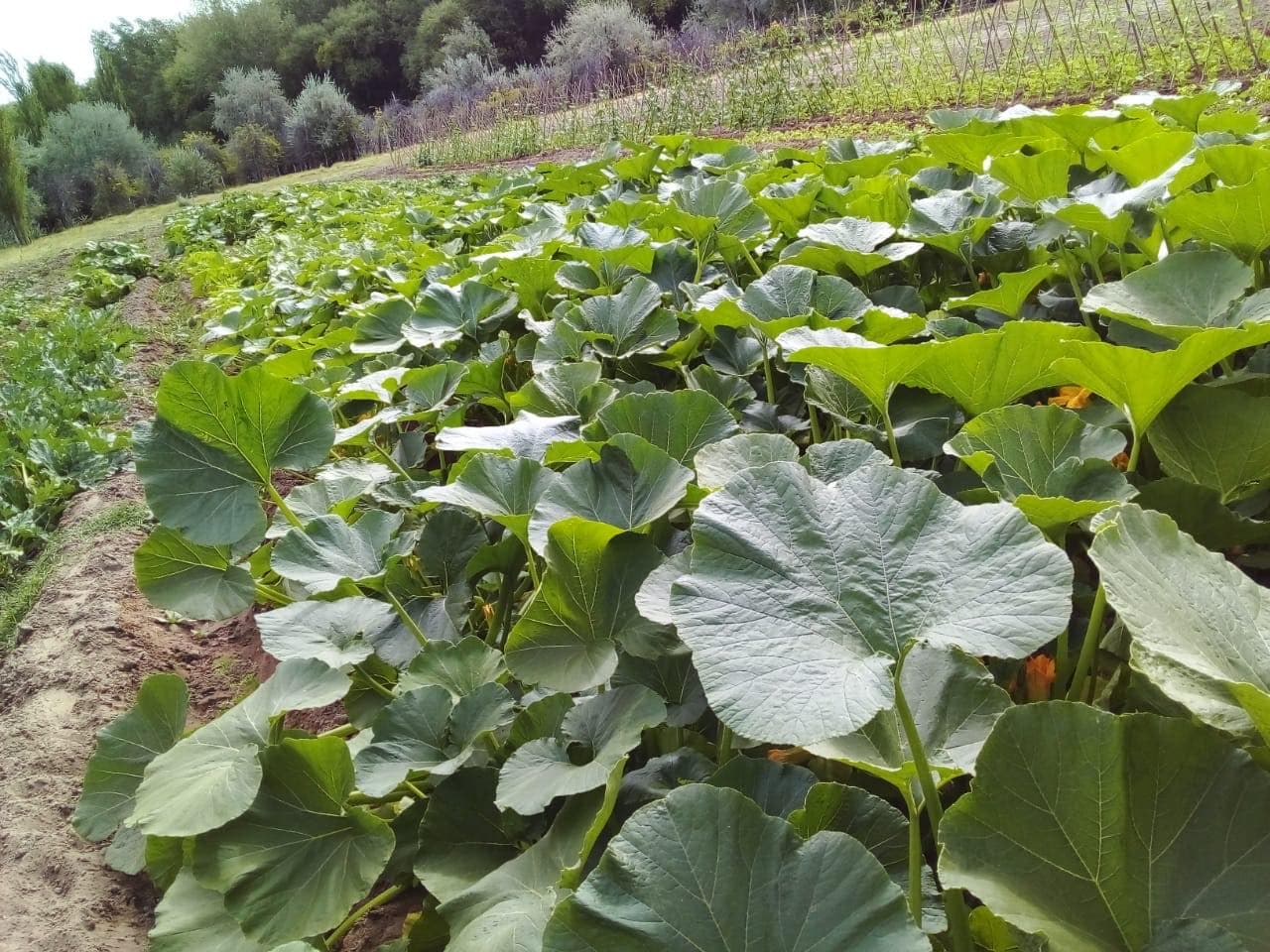
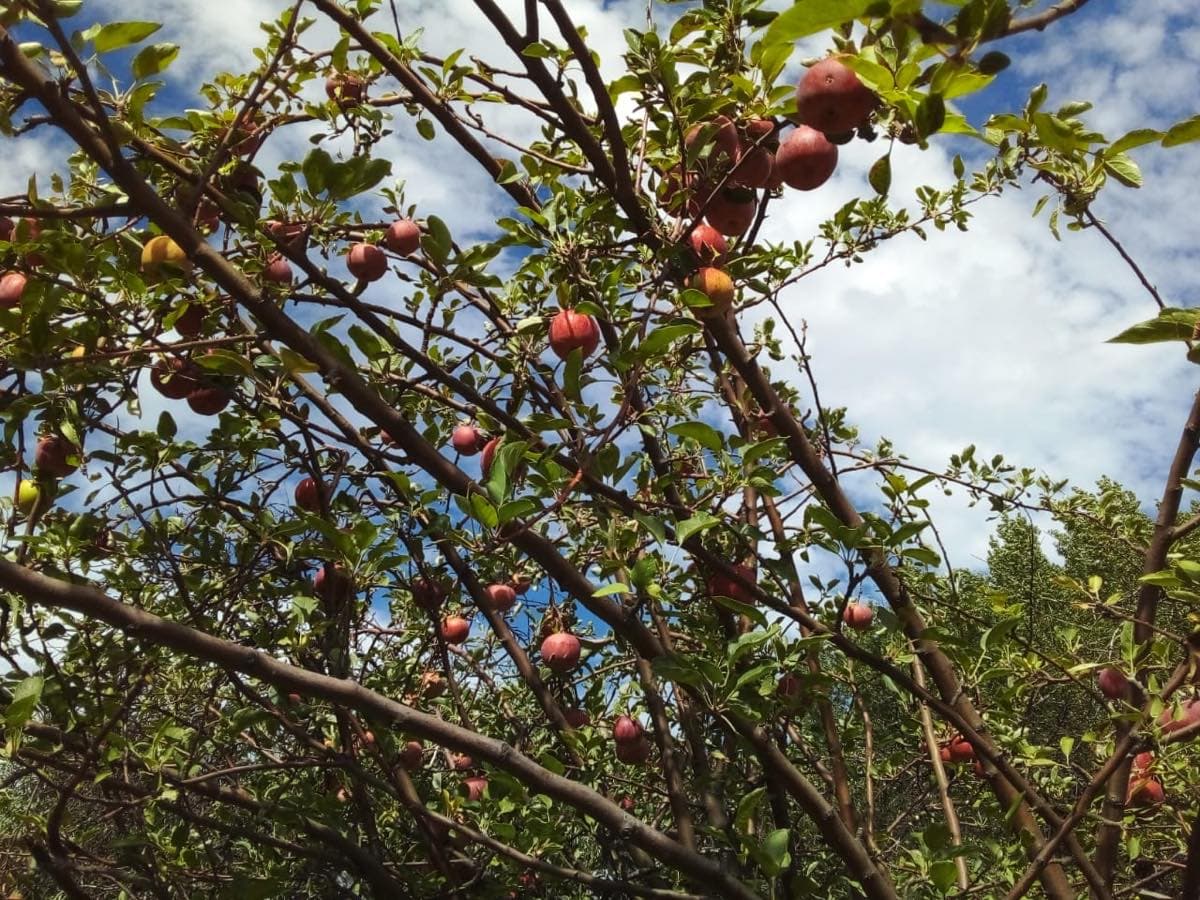
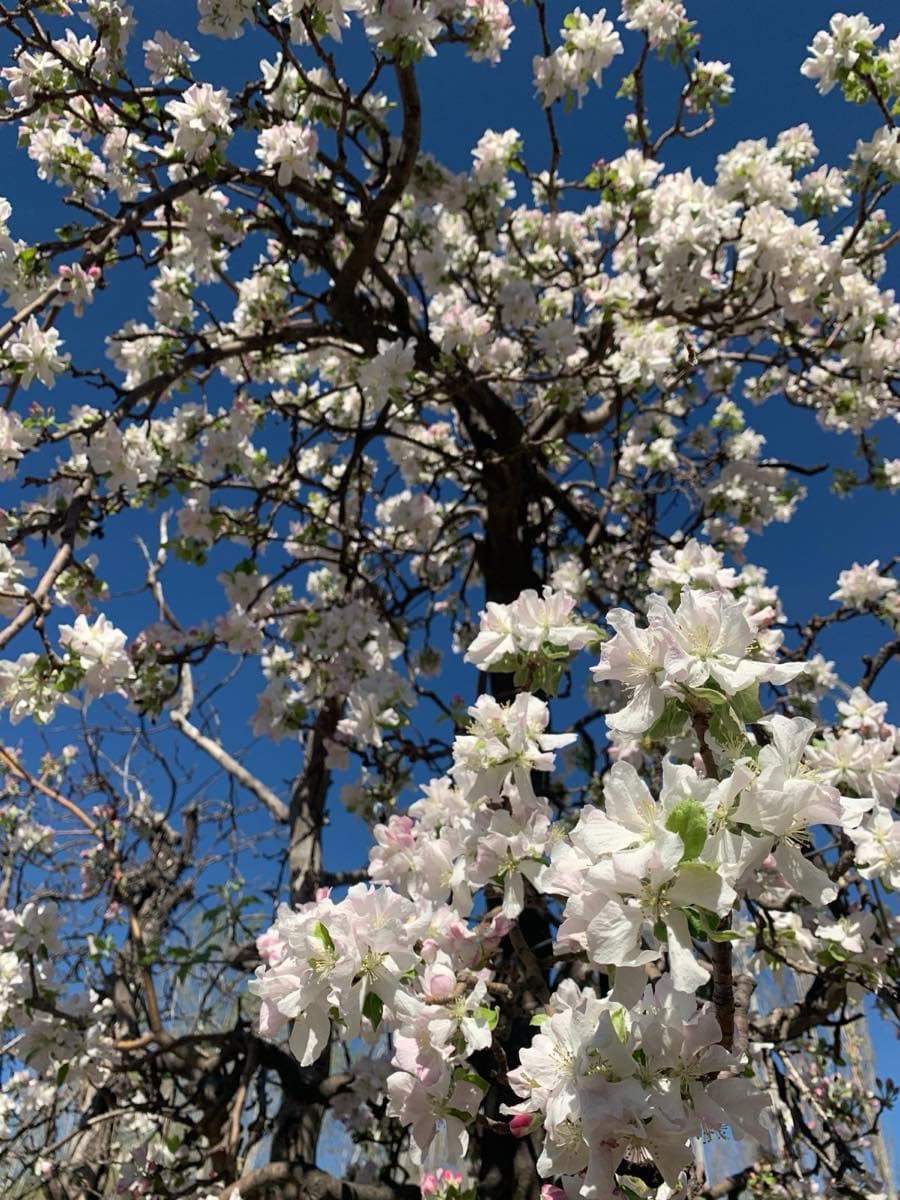
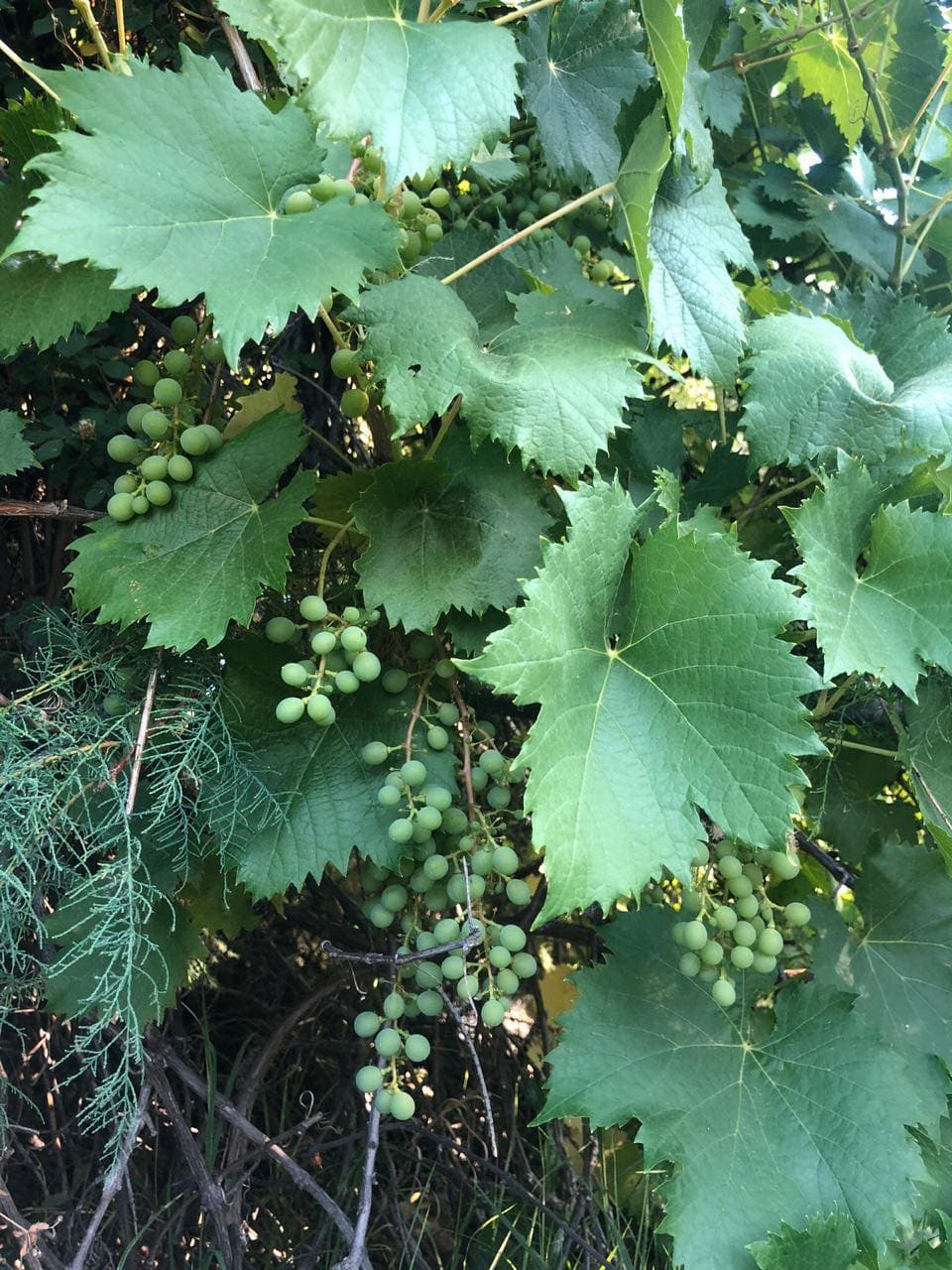
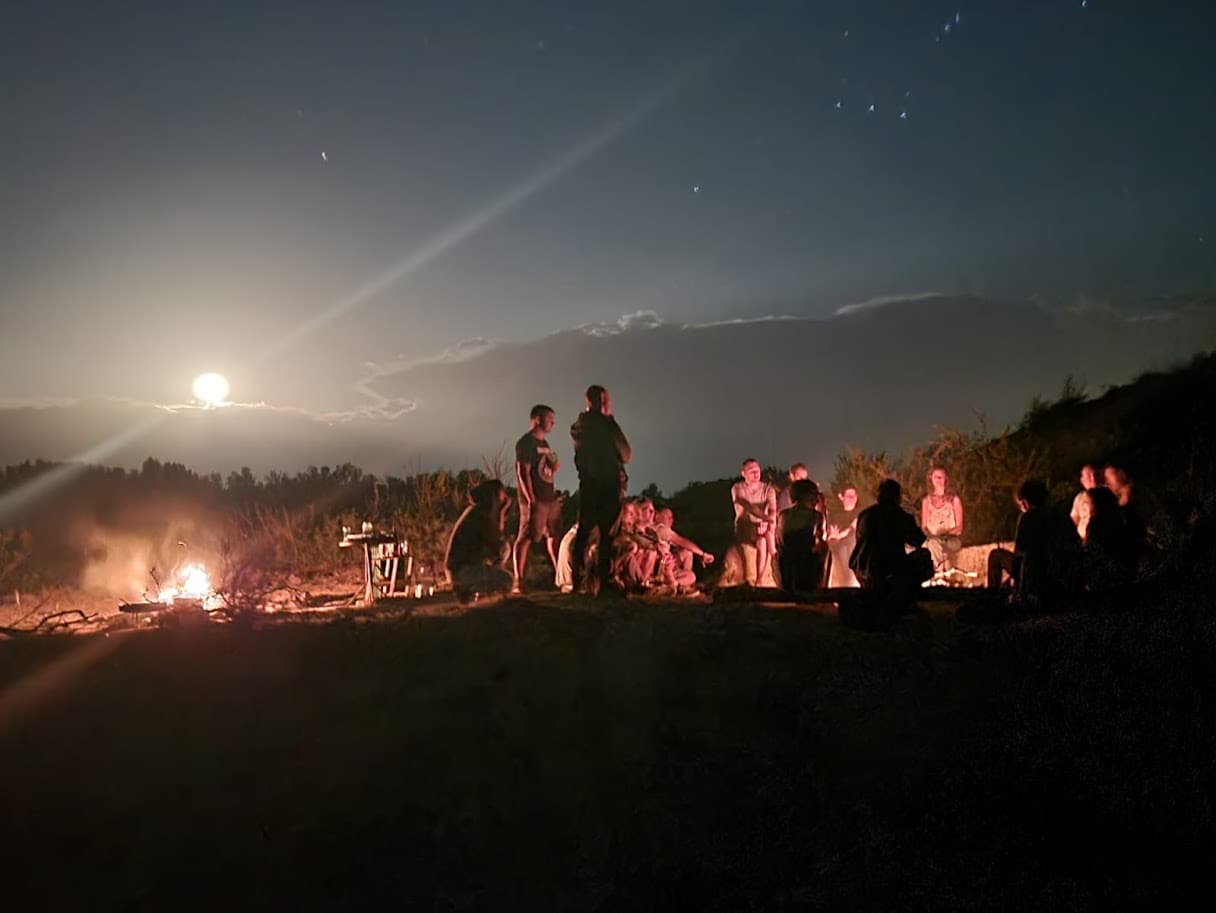
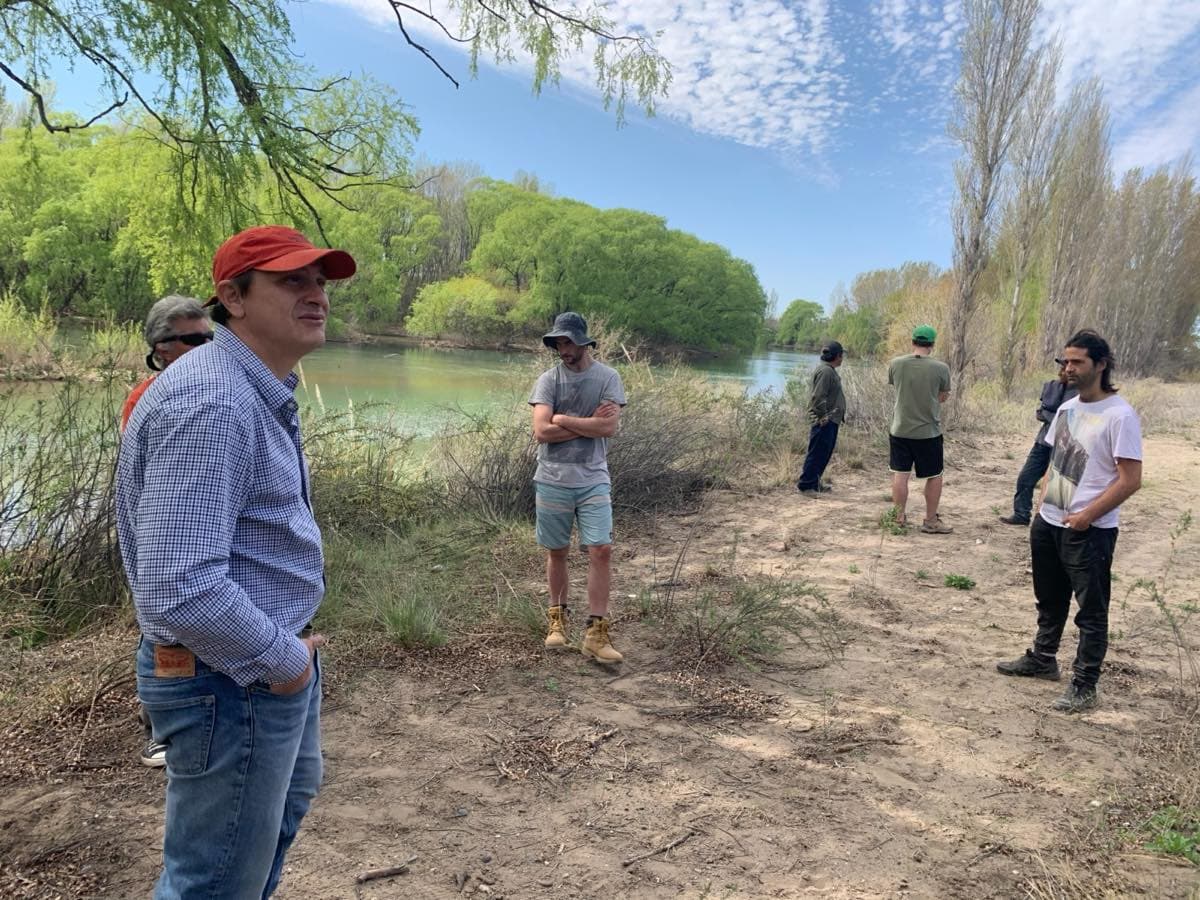
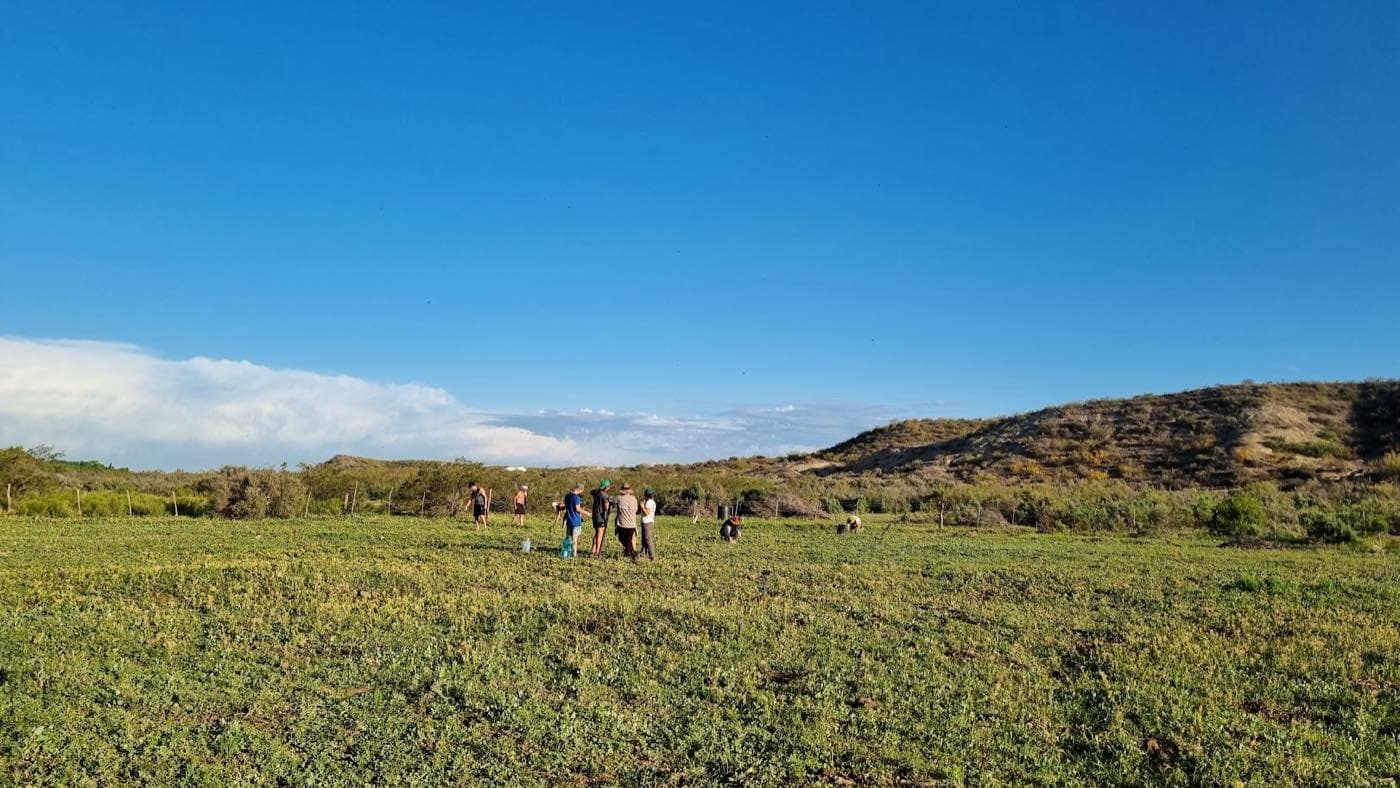
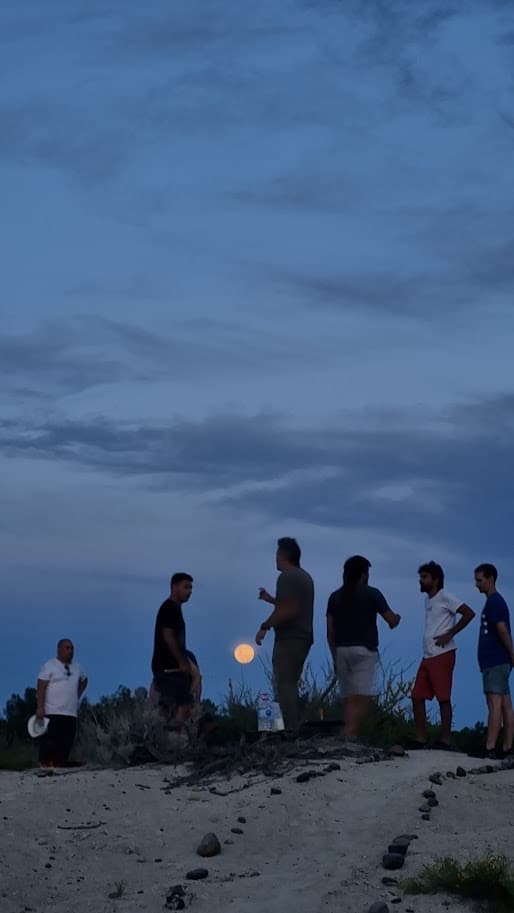
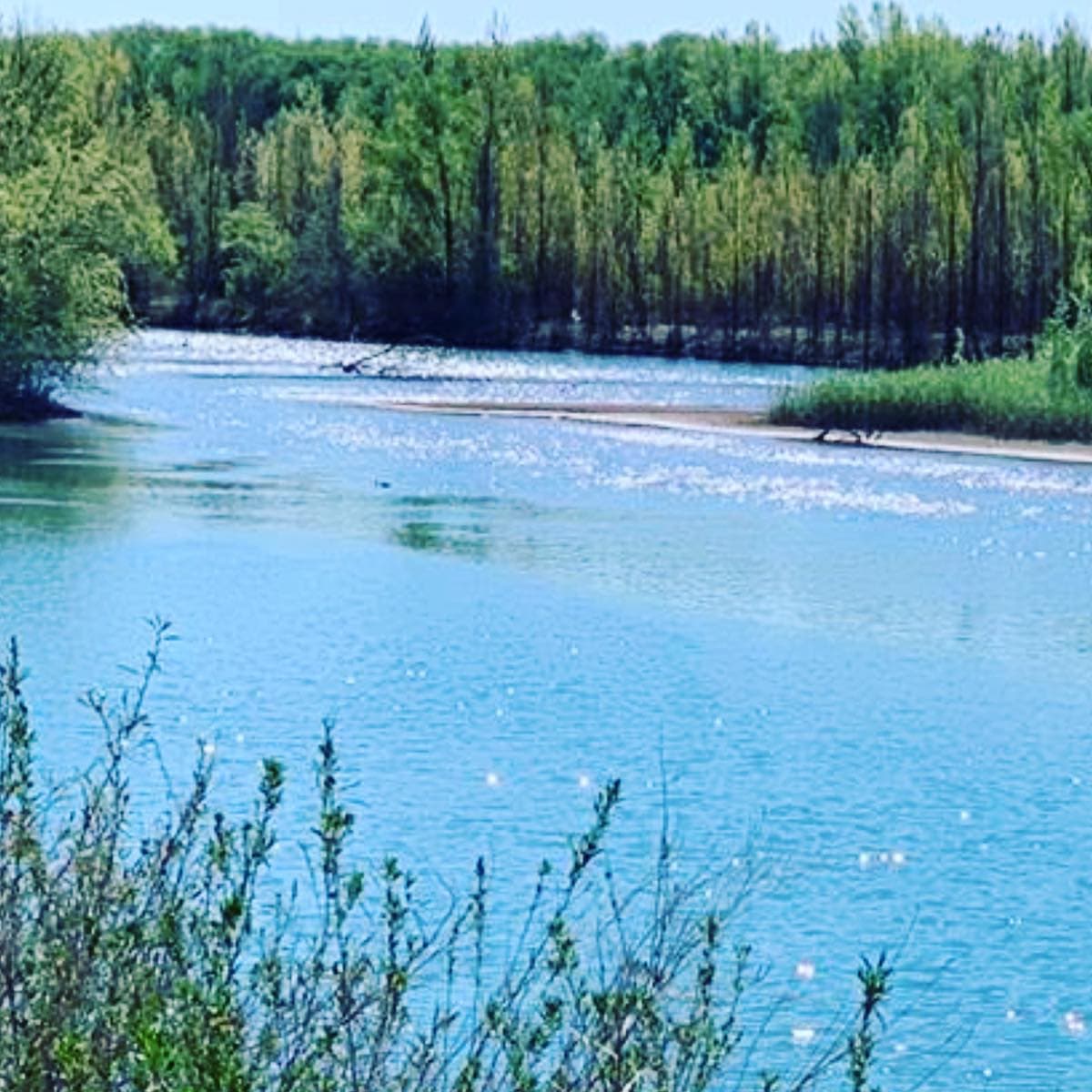
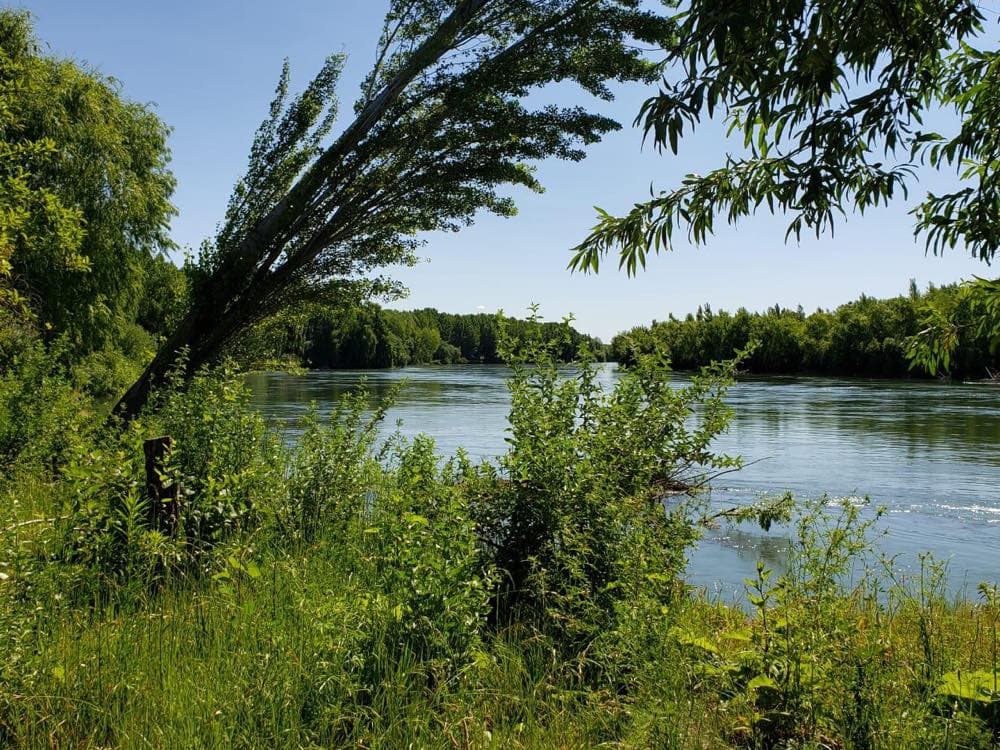
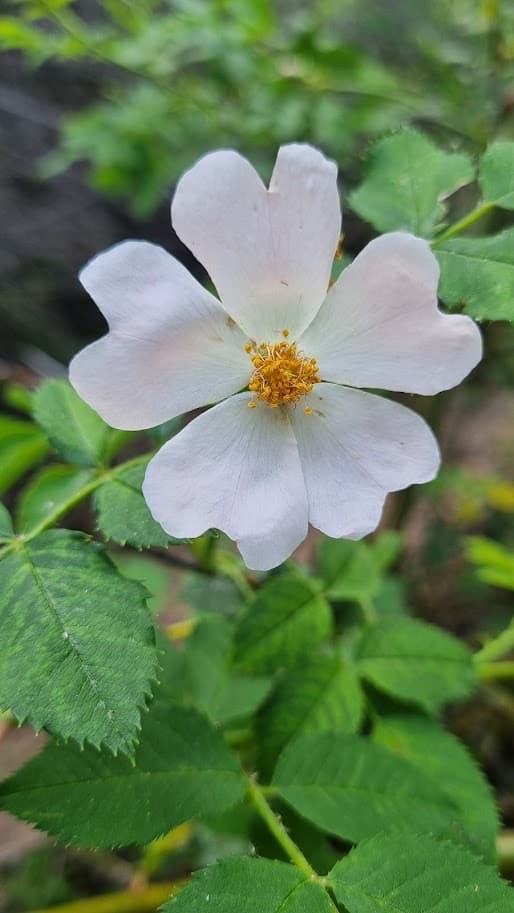
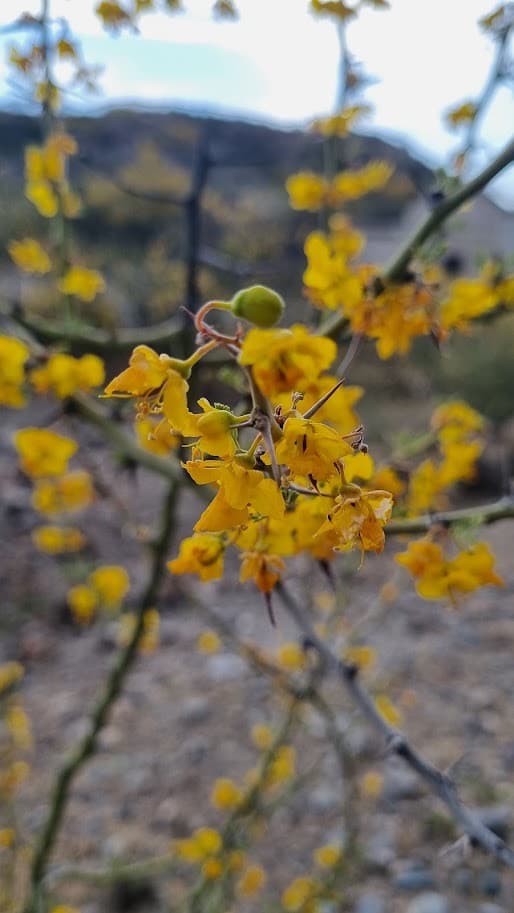
Photographs by the NetX Gen and Biopueblo teams, 2025–2026.
The neighbourhood already under way.
Soluna is Biopueblo's first neighbourhood and the only one currently being sold: around a hundred hectares divided into fifty-six smallholdings, between the riverbank and the bluff. Plots run from just over fourteen hundred square metres to twenty-five hectares.
It's a neighbourhood before it's a communal ecovillage: plots are individually owned, and a set of rules covers what can be built and how much of each plot goes to production and to native vegetation. You can live here year-round, and it's designed for that.
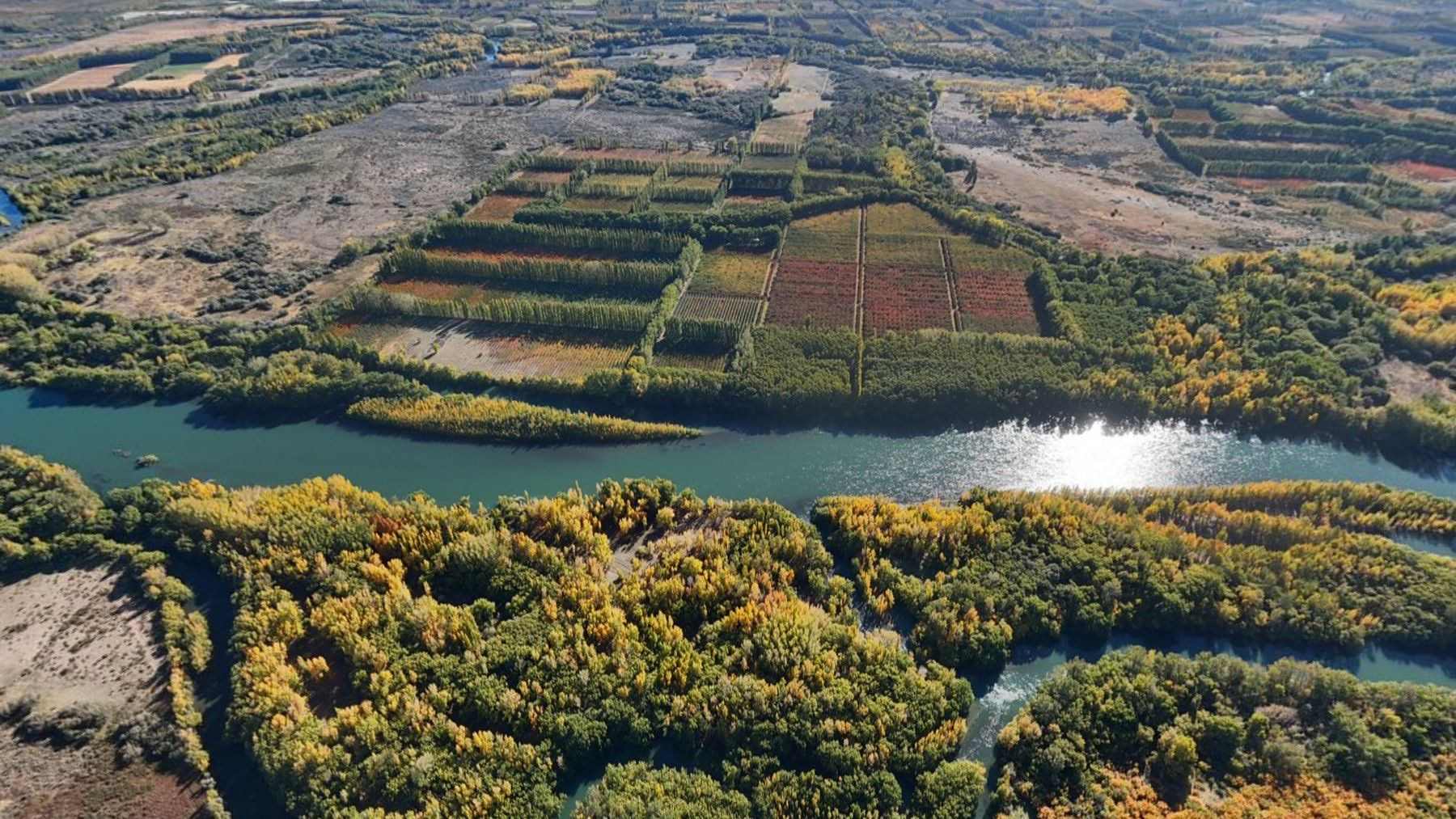
Bare land, which is when it reads best.
The river, the bluff and the poplars of Chacras de Soluna out of season. With no foliage the ground shows as it is.
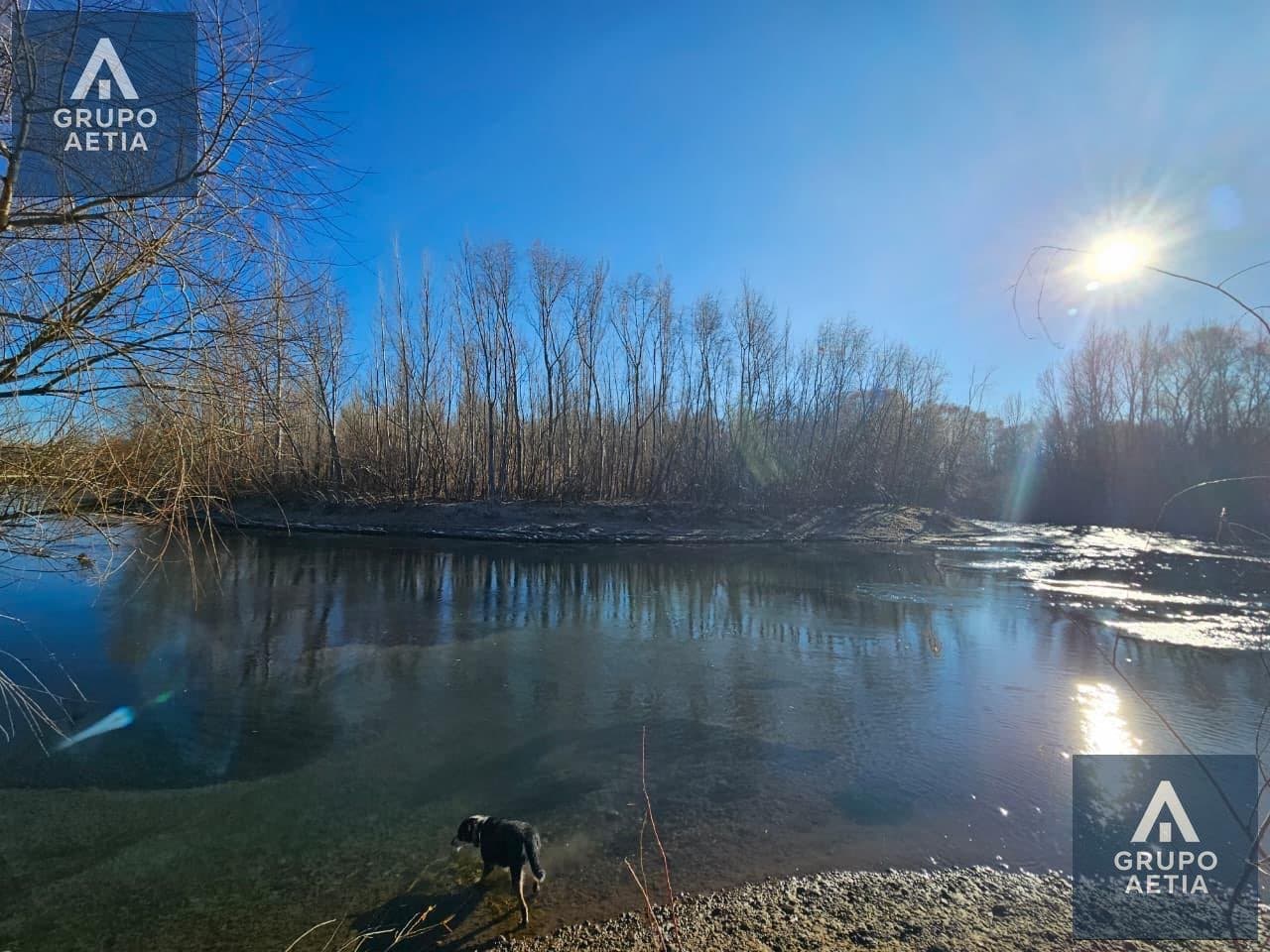
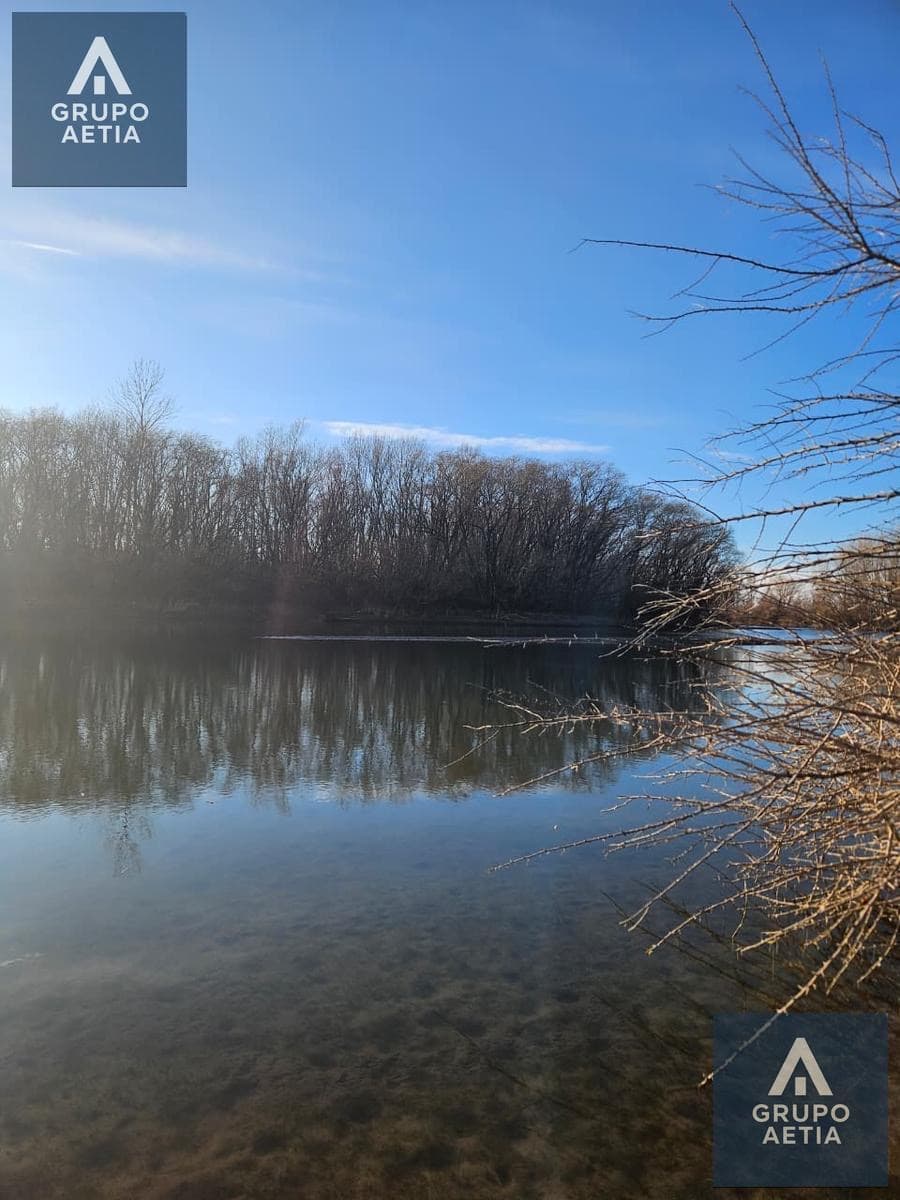
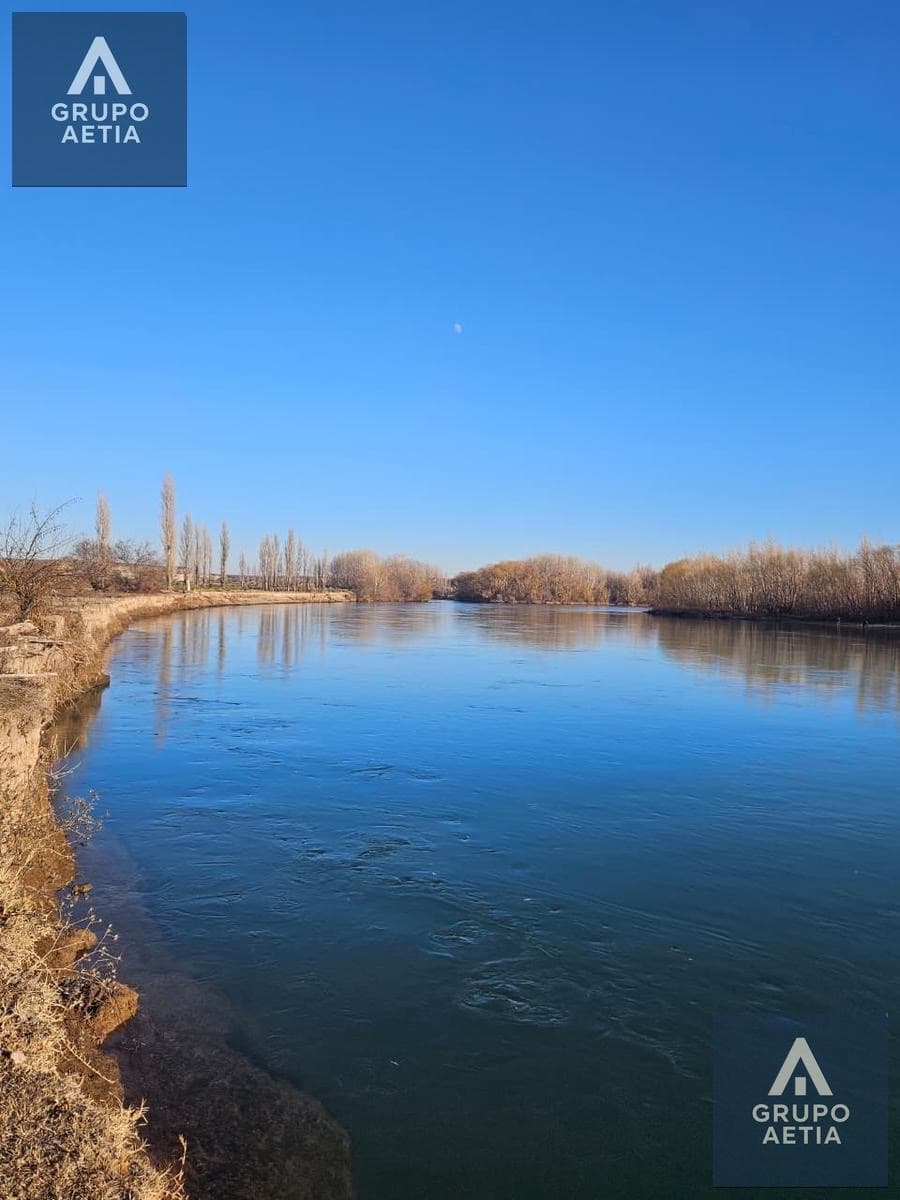
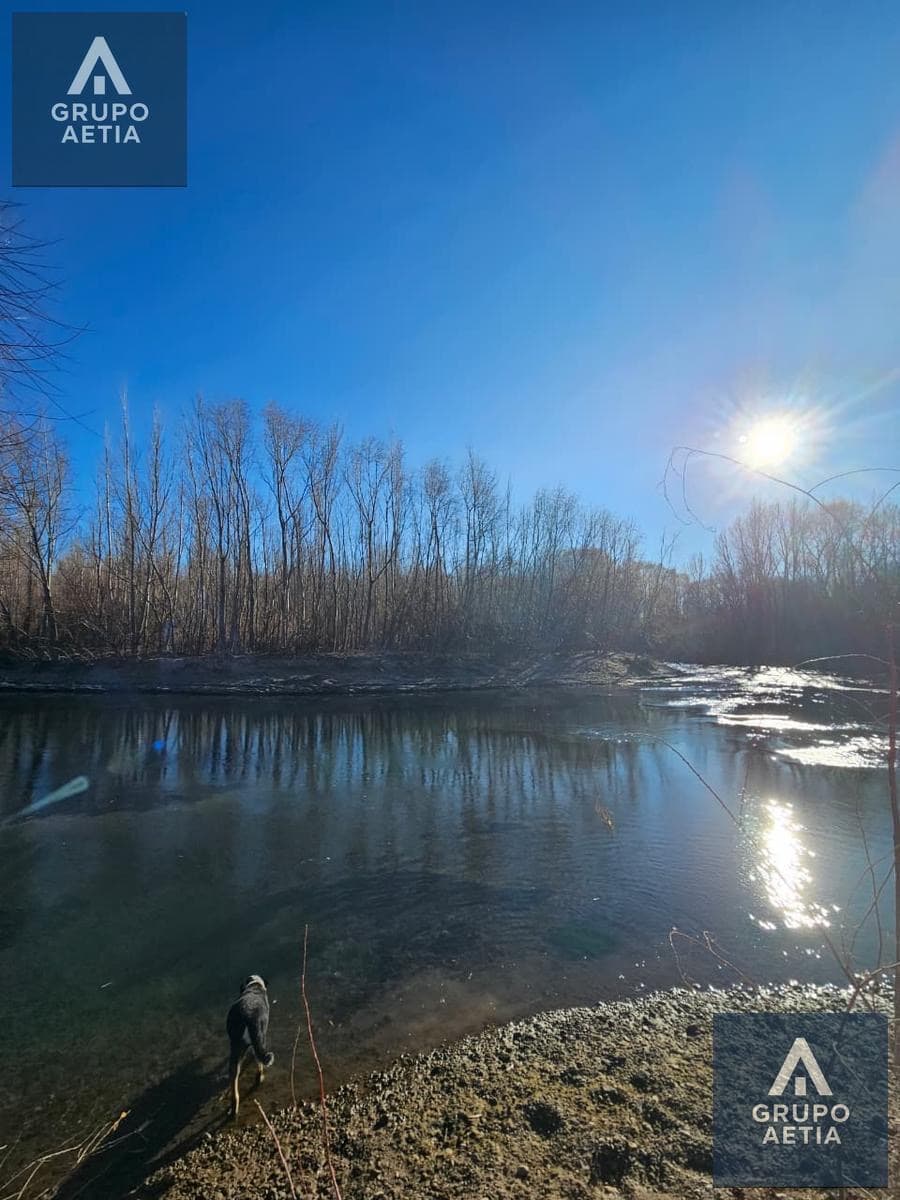
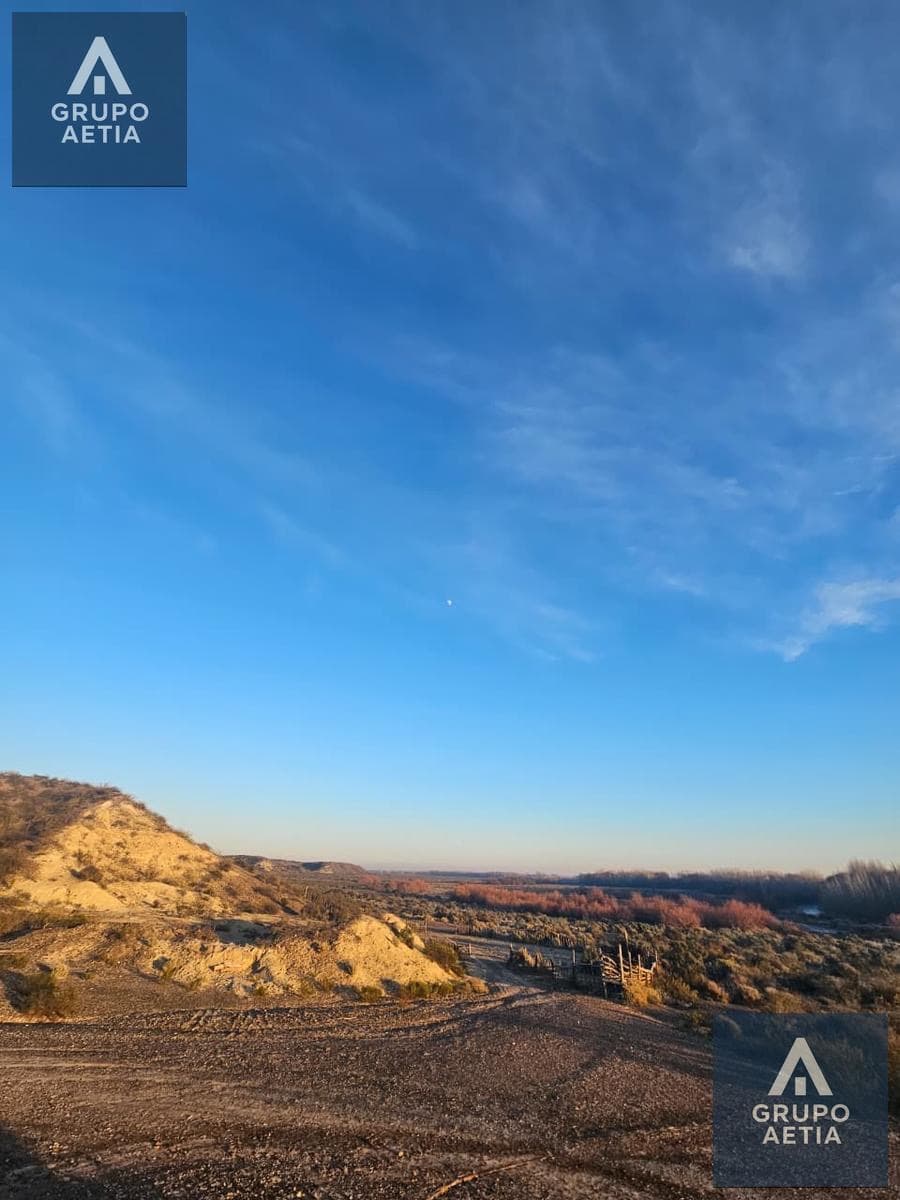
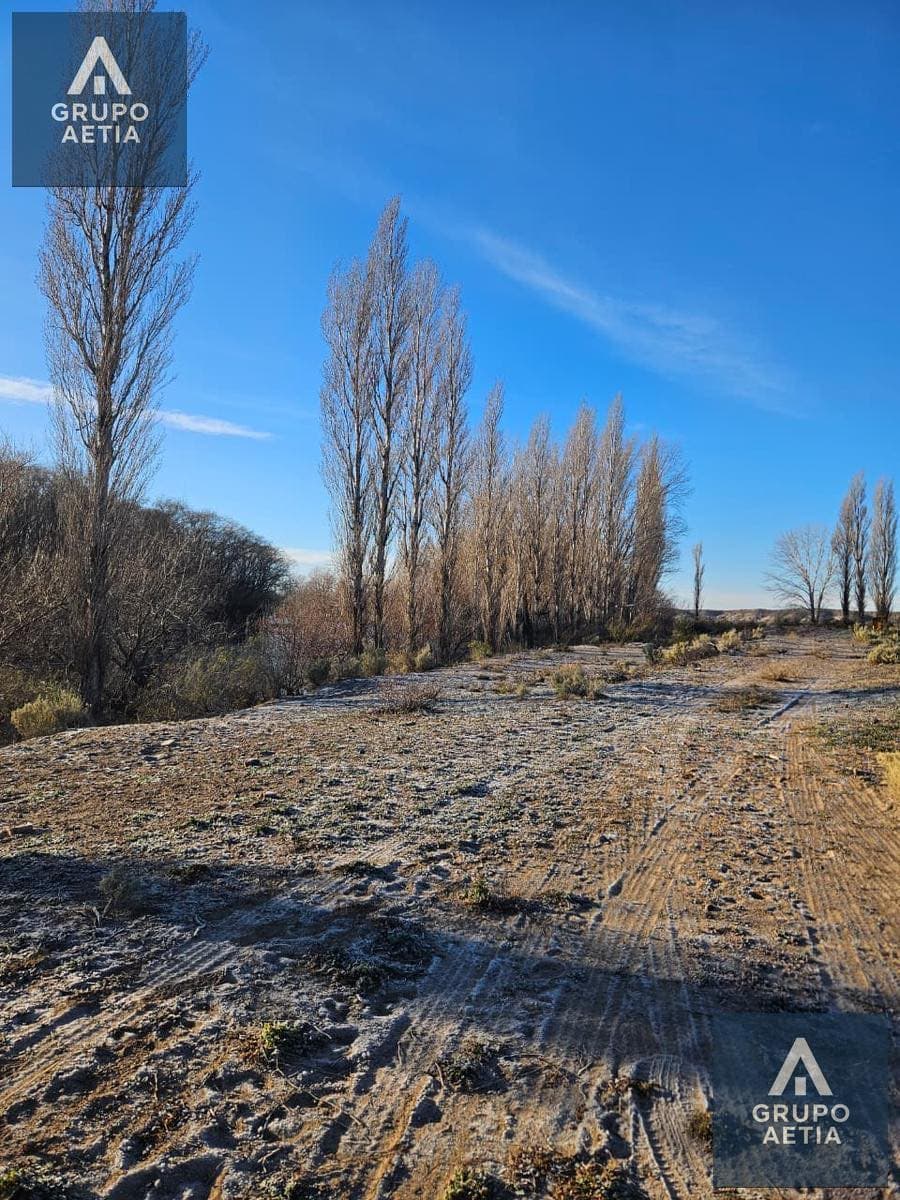
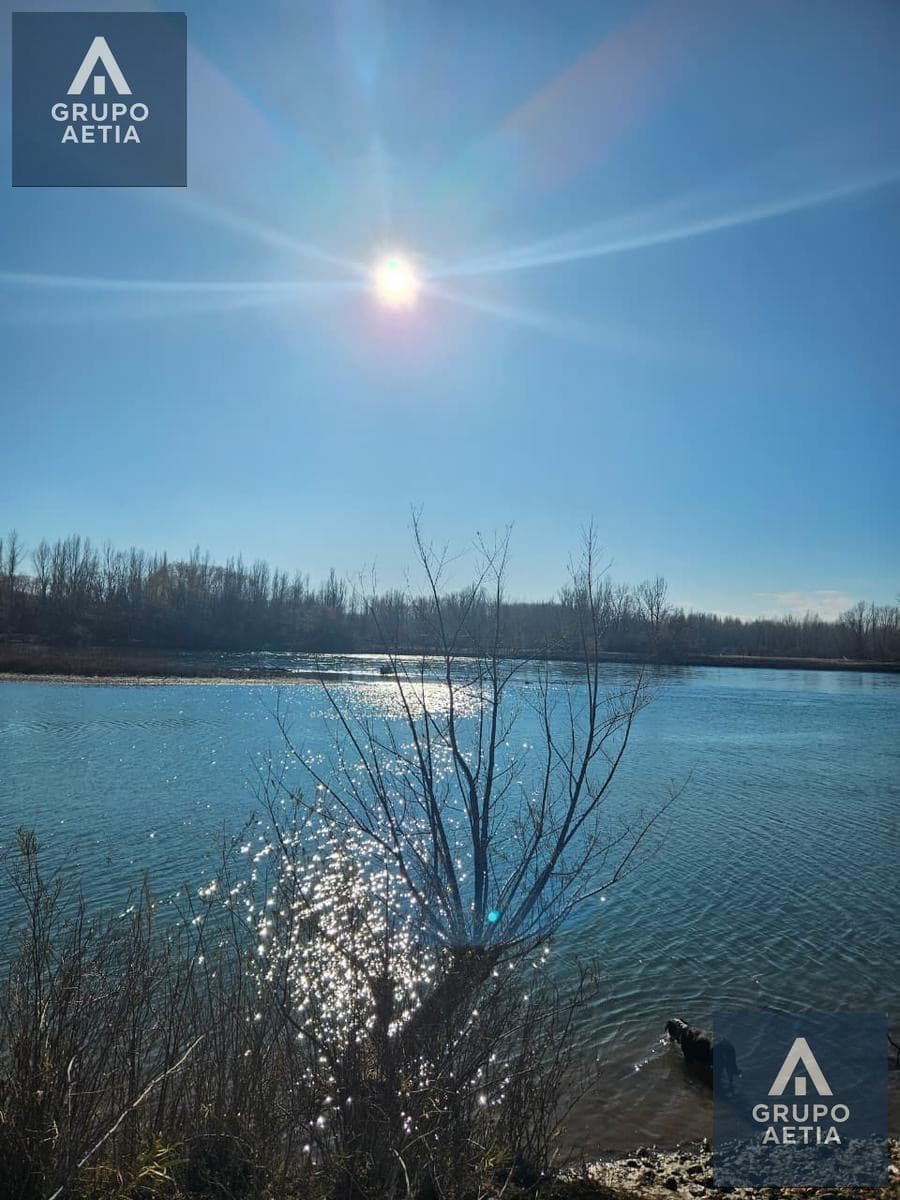
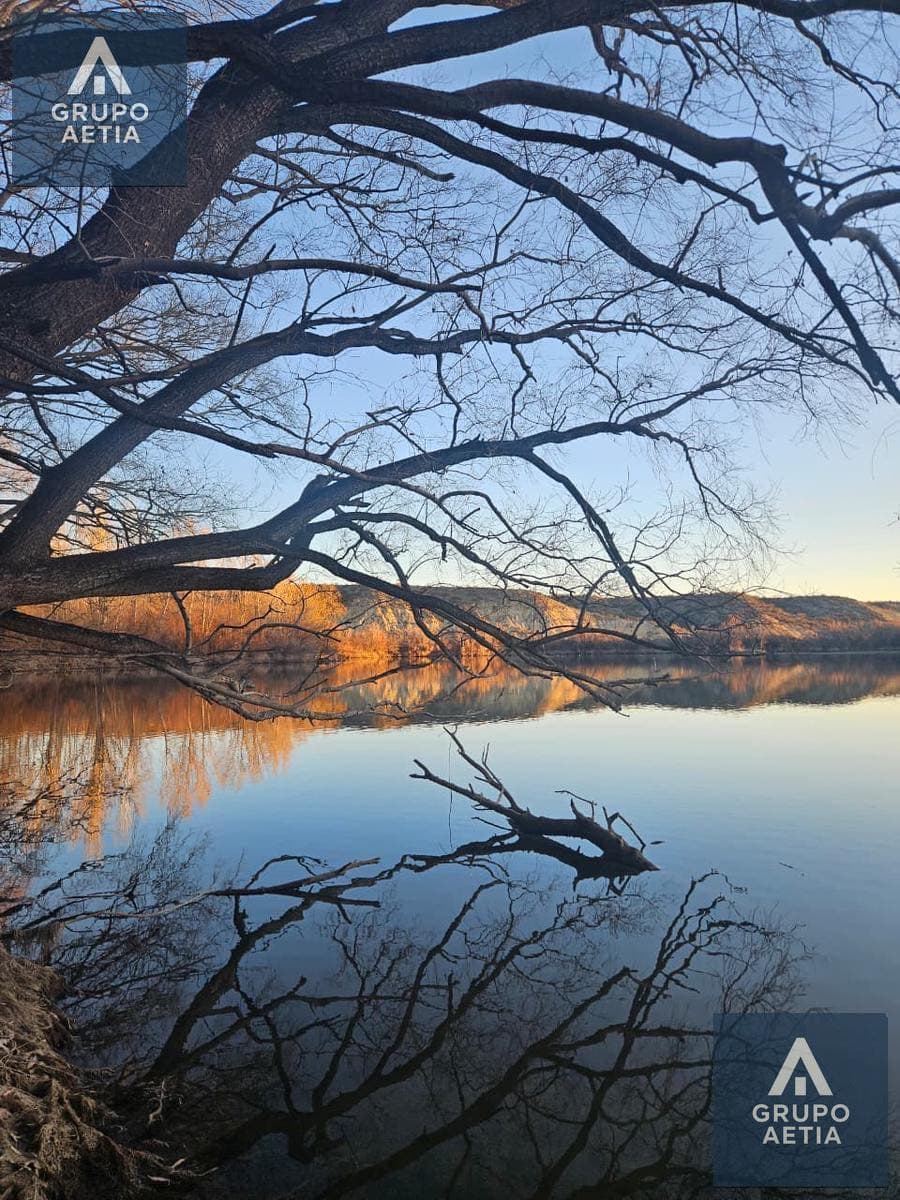
Photographs by the NetX Gen team, winter 2026.
Value doesn't follow size. It follows location.
It's the first thing that surprises you looking at the whole neighbourhood: small plots worth more than others twenty times their size. The difference lies in sitting on the water or sitting up on the bluff. The neighbourhood is organised into six locations, and they explain everything else.
First line, lakefront
The smallest plots and the most sought after. Bought to live on the water, not to farm. It's the location with the fewest units in the whole neighbourhood.
First line, riverfront
The frontage on the Río Negro, and the largest stretch of the waterfront. Fifteen hundred to nine thousand square metres: enough for a house, a garden and some fruit trees without leaving the river.
Second line, valley
Behind the waterfront, on irrigated land. This is the valley's classic small-farm size: garden, animals, and production at a scale you can sell from.
Bluff slope facing the river
Up on the bluff, with the whole valley below. Plots of two hectares and up, where the view and the air matter more than the soil.
Bluff slope facing the lake
The same elevation, looking at the lake. This is where the largest plots in the neighbourhood are, some over twenty hectares.
Bluff vineyards and olive groves
The sector with a declared productive use. Bought to plant vines and olives, which is what the region already exports, and where the scale stops being domestic.
The locations are the developer's own. This page publishes no prices and no per-plot availability while the subdivision is in process — see the notice above.
How a house goes up here.
The neighbourhood's rules prioritise natural building, and not as an aesthetic preference: earth, straw, timber and local stone give walls with high thermal mass, which is exactly what a valley with a twenty-degree swing between day and night asks for. A wall that is slow to warm is also slow to cool, and in the Alto Valle that shows up on the bill all year round.
It is slower than a prefabricated module and cheaper in materials, and there are people in the area who have already built this way. The cost goes into time and labour, not freight.
The other route — prefabricated modules — isn't available here yet. It depended on a local franchise around Cipolletti or Neuquén that isn't running, and the prices manufacturers publish are US market prices that don't carry over to Argentina. When it exists we'll say so; until then we'd rather not offer something nobody can actually order.
What each plot has to solve, and who solves it.
Ecological equipment and modular services to round out your place. There is no water main and no grid here: water, power and anything productive get built plot by plot. They are provided by Biopueblo, the territory's developer, and hired directly from them.
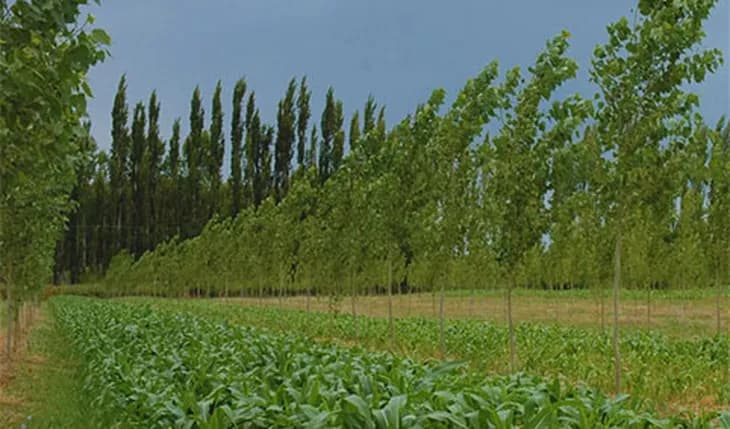
Agroforestry
Trees, crops and living soil working together. Agroforestry systems that produce food, regenerate the ground and double as a windbreak against the valley wind.
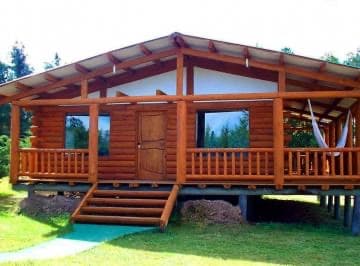
Natural building, house or cabin
Warmth and setting in the same key. Built with natural materials and bioclimatic design — what the neighbourhood's rules ask for, and what stands up to the Alto Valle's temperature swing.
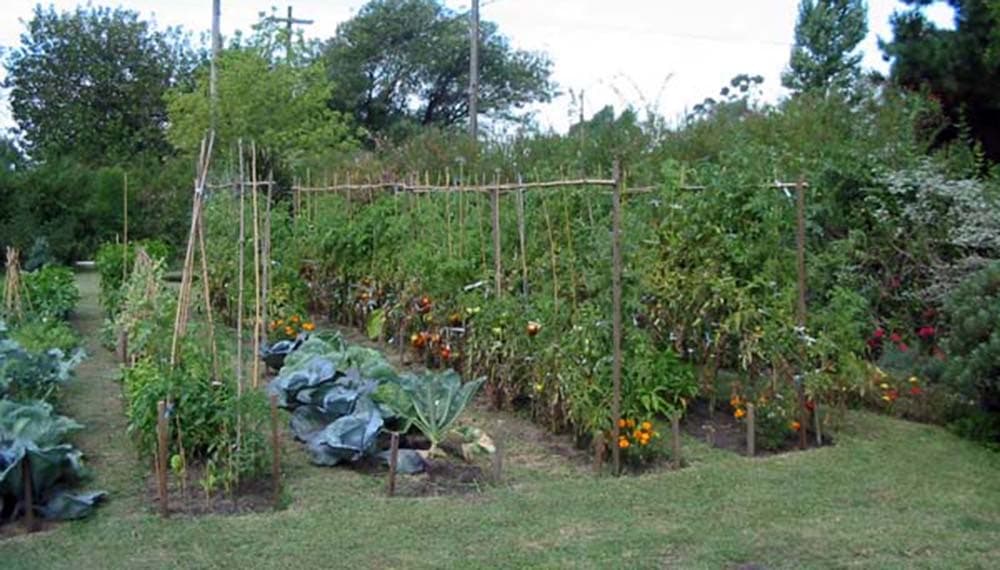
Vegetable and fruit garden
Your pantry a few metres from the door. A productive garden designed and planted for the local soil and climate, ready for you to start harvesting.
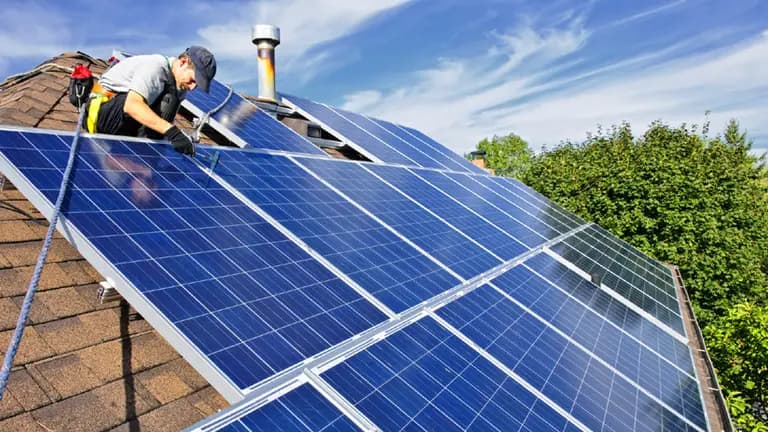
Solar kit
Clean electricity, generated on your roof. With close to three hundred sunny days a year, a kit sized for your plot gives real energy independence — which here isn't a preference, because there is no grid.
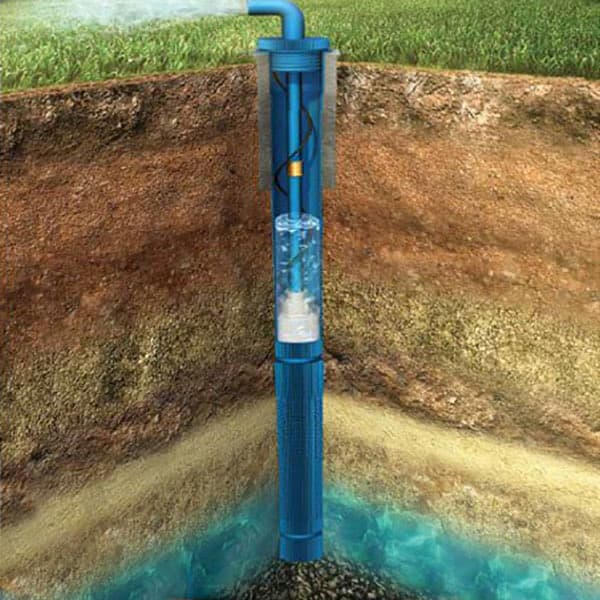
Well drilling with solar pump
Drinking water is solved plot by plot: there is no water main. Your own borehole gets drilled and fitted with a solar pump, so the water comes up on the same energy as the rest of the house.
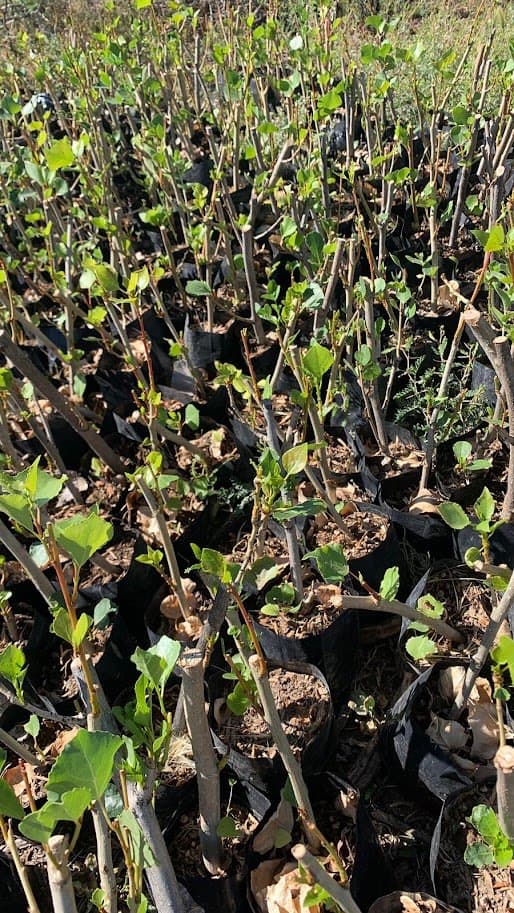
Nursery
The plants that will live on your plot are grown nearby. The nursery supplies native species and fruit trees adapted to Patagonia — the ones that take without emergency watering.
The services are provided by Biopueblo, not by NetX Gen, and none of them is included in the plot: they are hired separately and quoted per project, by area, access and whatever is already on the ground. The photos are reference images of the type of service — catalogue material, and an illustrative diagram in the case of the borehole — not work built in the valley.
What buying here looks like.
- 01
You come and see
Nobody should pick a plot from a photo. We arrange a visit, drive the valley and walk the plots you're interested in. Doing it properly takes a full day.
- 02
You choose knowing
Every plot has a history: how the irrigation reaches it, what fruit trees are standing, how the wind hits, how far the nearest neighbour is. That gets discussed before any number does.
- 03
It gets documented when it can be
With the subdivision still in process there is no registrable plot yet, so there is no deed: documenting the purchase depends on that process closing. Anyone should tell you this before you sign anything — and if they don't, ask.
- 04
It gets built
Module or natural building, with approval from the neighbourhood council, which reviews the design before work starts. In parallel you resolve services: water well, solar power and access, the three things that delay everything else if you don't start them early.
A macro-parcel assigned, a neighbourhood still to be defined.
Biopueblo has assigned NetX Gen a macro-parcel of around nine hundred and seventy hectares on the eastern side of the territory, fronting the river and the lake, to develop a neighbourhood of its own under the Lighthouse name.
The intent is productive: this is the stretch of the corridor meant for agroecology at scale, applied research, and a core of hospitality and work. Unlike Soluna, a smallholding neighbourhood already being sold, this is a larger mixed-use development.
It is being defined, and that's the honest way to put it. There is no settled area, no dated phases, no commercial model and no price. When there are, they'll be on this page.
What people ask most.
Can you live there year-round?
Yes, and it's designed for it. The valley is inhabited all year, with towns, schools and hospitals nearby. Winter is cold and dry, with frost, and the place is still lived in all twelve months.
What's the water situation?
Two separate things, worth keeping separate from the start. Irrigation comes from the valley's canal system, which is what makes it fertile. Drinking water is resolved plot by plot, with your own borehole. There is no mains water.
Is there mains electricity?
Conventional mains supply, none. The neighbourhood is planned around solar generation per plot, and its own rules state that the territory is one hundred per cent renewable and rules out fossil-fired grid supply as a primary source. It's a self-supply model rather than neighbourhood infrastructure, and that changes the arithmetic considerably.
What can you build?
The neighbourhood's rules favour earth, timber, stone and plant fibres, cap height at two storeys and require three metres of setback from boundaries. They also set how much of each plot goes where: at least forty per cent to production, at least twenty per cent to native vegetation, and at most fifteen per cent to building. Designs go to the neighbourhood council before work starts.
What does a plot cost?
Prices are set by the developer, and this page doesn't publish them while the subdivision is in process. It's a conversation, not a listing: you arrange a visit and go through it plot by plot.
Can I buy to rent out, or as an investment, without living there?
Short-term letting is allowed with conditions, within the neighbourhood's guidelines. As an investment, it's a question worth discussing rather than answering in writing, because the answer changes with the location and with the status of the municipal process.
What's NetX Gen's role here?
Two different ones. In Chacras de Soluna, NetX Gen markets the neighbourhood under an agreement with Biopueblo, the developer; we don't own that land. On the assigned macro-parcel, NetX Gen is the developer, and that project is still being defined.
If this interests you, the next step is seeing it.
Write to us and we'll arrange a visit to the valley. It's the only serious way to decide something like this, and it commits you to nothing.
Arrange a visit